
guide / scoring

Padel Interference: Let, Lost Point or Repeat Incident?

Identify deliberate and accidental interference under the 2026 FIP rule. Original examples help you record the action and apply the correct distinction.

Quick answer

FIP Rule 11 distinguishes deliberate interference, which costs the offending pair the point, from a first involuntary interference, which produces a let. A second unintentional interference by the same pair costs that pair the point. Identify the action and incident history before treating every distraction as an automatic replay.

Score on your Watch.
Review on your iPhone.

Download Padel Pointer for iPhone and Apple Watch.

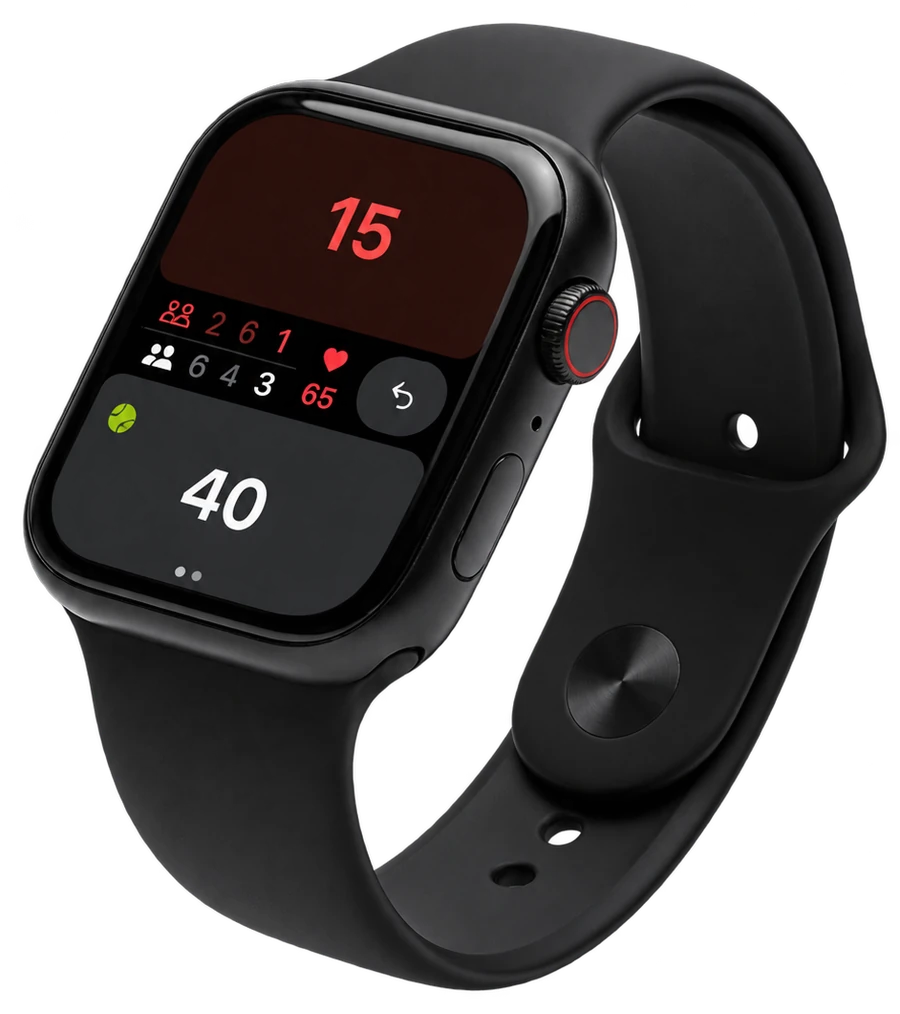
Padel Pointer showing a live padel score on Apple Watch

Describe an action, not just the feeling of distraction

“I was distracted” does not identify what happened or establish a ruling. A useful note says who acted, what they did, when it affected the opponent’s shot and whether the incident had happened before.

Consider a fictional incident log. In game three, a pair causes an accidental obstruction during an opponent’s shot and a let is called. Later, a second unintentional interference by that same pair occurs. The earlier incident now matters. This log is an original example of what to remember, not a claim that every dropped item or shout has the same classification.

Keep three decisions separate

Intent, effect on the shot and repeat history are separate questions. Use the current FIP Rule 11 wording with the official if there is one; do not decide intent merely from how costly the rally was.

Keep three decisions separate
Established incidentRule 11 distinctionUseful record
Deliberate interferencePoint to the opponentAction and effect on the shot
First involuntary interferenceLet; point repeatedOffending pair and incident
Second unintentional interference by the same pairPoint lost by that pairEarlier incident plus current event

Do not turn every unusual event into interference

An unrelated ball entering the court, contact with the net and the ball striking a player each raise their own rule questions. Start with the event rather than choosing “let” as a default outcome because a point feels awkward.

For a friendly match, agree how disputes will be handled before play. In an officiated match, use the official’s decision process. Avoid retrospectively deleting several points on the basis of an imprecise memory. Keep the recorded score consistent with the resolved ruling; the scoring app is not an umpire and cannot infer intent from the final score.

Frequently asked questions

Is every accidental interference a replay?

No. Rule 11 distinguishes a first involuntary interference from a second unintentional interference by the same pair.

Does deliberate interference get the same treatment?

No. The rule awards the point to the opponent for deliberate interference.

Is a stray ball always this rule?

A foreign ball can raise the separate let-point rule. Identify the event and check the dedicated let guide rather than assuming the same classification.

Sources and evidence

Read next

Turn the insight into a better next match.

Track every point on Apple Watch, then understand momentum, patterns, and improvement areas on iPhone.

Padel Pointer scorekeeping on a black Apple Watch