guide / scoring

How long does a padel match last?

Decide whether to book 60, 90 or 120 minutes, understand why a complete match can take longer, and agree what happens when your court time runs out.

Quick answer

Padel has no fixed match duration: a standard match finishes when one pair wins two sets, not when a clock reaches 60 or 90 minutes. UK clubs offer bookings such as 60, 90 and 120 minutes. Choose a slot for the session you want, allow time to get ready, and agree a stopping rule if the match is unfinished when the booking ends.

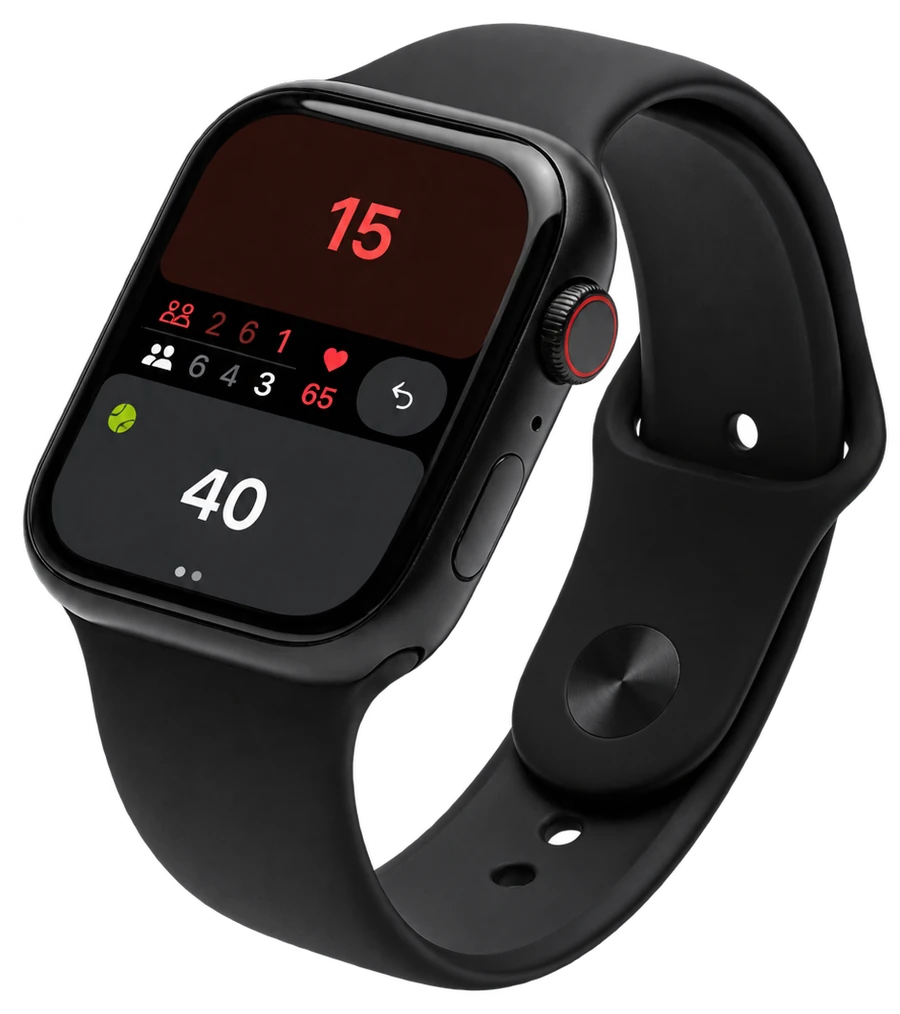
Score on your Watch. Review on your iPhone.
Download Padel Pointer for iPhone and Apple Watch.

Download Padel Pointer

A court booking and a completed match are different things

Your booking tells you when you can use the court. The scoring format tells you what it takes to finish the match. Platform Padel in Alnwick, for example, offers 60, 90 and 120-minute sessions. Those are booking choices, not a promise that a particular match will finish in that time.

Under the standard FIP format, winning two sets completes a match. A straight-sets result uses fewer sets than a match that reaches a third. Close games, longer rallies and interruptions can also change elapsed time. There is no reliable way to convert a score such as 6–4, 7–5 into a fixed number of minutes.

  • Check the exact start and finish time in your club booking.
  • Confirm the scoring format with all four players before the first serve.
  • For a competition, follow the organiser's format and time rules.
Should you book 60, 90 or 120 minutes?

Choose according to the purpose of the session. A 60-minute slot can suit a focused practice session or social play with a firm finish. A 90-minute slot gives you more room for a match and a warm-up. A 120-minute booking provides a larger buffer if all four players want longer play. None of these choices guarantees a completed best-of-three match.

Before paying, check what the club includes in the slot and whether the next booking starts immediately afterwards. If your group wants to finish the match regardless of the time, ask the club about longer bookings or competition arrangements rather than assume you can stay on court.

  • 60 minutes: choose a clear practice goal or an agreed social stopping point.
  • 90 minutes: allow space for getting ready as well as playing.
  • 120 minutes: consider it when your group wants more flexibility, subject to availability.

An example plan for a 90-minute social session

Here is an illustrative timetable, not a measured average or an official warm-up rule. Arrive ready to play, use the first 10 minutes to settle in and warm up, aim to begin the match at minute 10, and check the time at minute 75. Keep the final part of the booking available for the finish you agreed and for leaving the court promptly.

You might reach minute 75 at one set each, or still be in the first set. The timetable does not predict either outcome. Its purpose is to avoid discovering the next group at the gate while you are deciding how to finish. A club or tournament may specify a different warm-up and must take priority.

  • Before the session: agree the format and the finish-time plan.
  • At minute 10 in this example: begin the match after your warm-up.
  • At minute 75: check the remaining booking time and apply your agreed plan.

Agree what happens if the court time runs out

For a friendly session, agree the stopping rule before you know who is ahead. You could play until a named time, finish the current game only if the booking allows it, or record the score as unfinished. A lead in an incomplete match does not automatically become a standard match win.

If you want a different match format, choose it at the start. FIP lists shorter alternatives, including mini-sets and a match tie-break replacing a final set. Use a format everyone understands; changing the winning condition halfway through can create more confusion than the clock solves.

  • Respect the next booking even if your match is close.
  • Record the actual score and whether the match was completed.
  • Use an organiser's official procedure for a timed competition.

Use your own sessions to choose the next booking

After a few sessions, look at what your group actually finished in the time available. Keep completed matches separate from unfinished ones, and compare the same scoring format. A one-set practice and a best-of-three match are different observations.

Padel Pointer can keep your score and match history together on Apple Watch and iPhone. That gives you a record to refer to when your group decides what to book next. Your own records can inform that choice; they do not establish an average duration for every padel player.

  • Note the format, final score and whether you completed the match.
  • Keep the court booking length separate from the time you actually played.
  • Choose the next slot using your group's experience and the club's options.

Frequently asked questions

Is a padel match always 90 minutes?

No. Ninety minutes can be a court booking length. A standard match is decided by sets and can finish before or after that time; the booking still controls when you must leave the court.

Can we play padel for just one hour?

Yes, if your club offers that slot. Treat it as a one-hour session and agree a suitable practice goal, match format or stopping rule. Do not assume a full best-of-three match will finish.

How many sets do you need to win a padel match?

The standard FIP format is best of three sets, so one pair must win two. Social sessions and events may use an agreed alternative; check the format before starting.

What should we record if the booking ends mid-match?

Record the score you reached and mark the match unfinished. Apply any pre-agreed social or event rule separately rather than silently turn an incomplete lead into a completed match win.

Sources and evidence

Read next

Turn the insight into a better next match.

Track every point on Apple Watch, then understand momentum, patterns, and improvement areas on iPhone.

Padel Pointer scorekeeping on a black Apple Watch