
guide / scoring

Padel Double-Hit Rule: One Player or Both Partners

Resolve a padel double-hit discussion by counting actual ball contacts. Contrasts two hits, both partners hitting and a racket-only collision.

Quick answer

FIP Rule 13 lists a player hitting the ball twice and both partners hitting it as point-loss cases. A racket collision between partners is not automatically two ball contacts. Identify what touched the ball, in what order, and consult Rule 14’s correct-return conditions rather than importing an assumed exception from another racket sport.

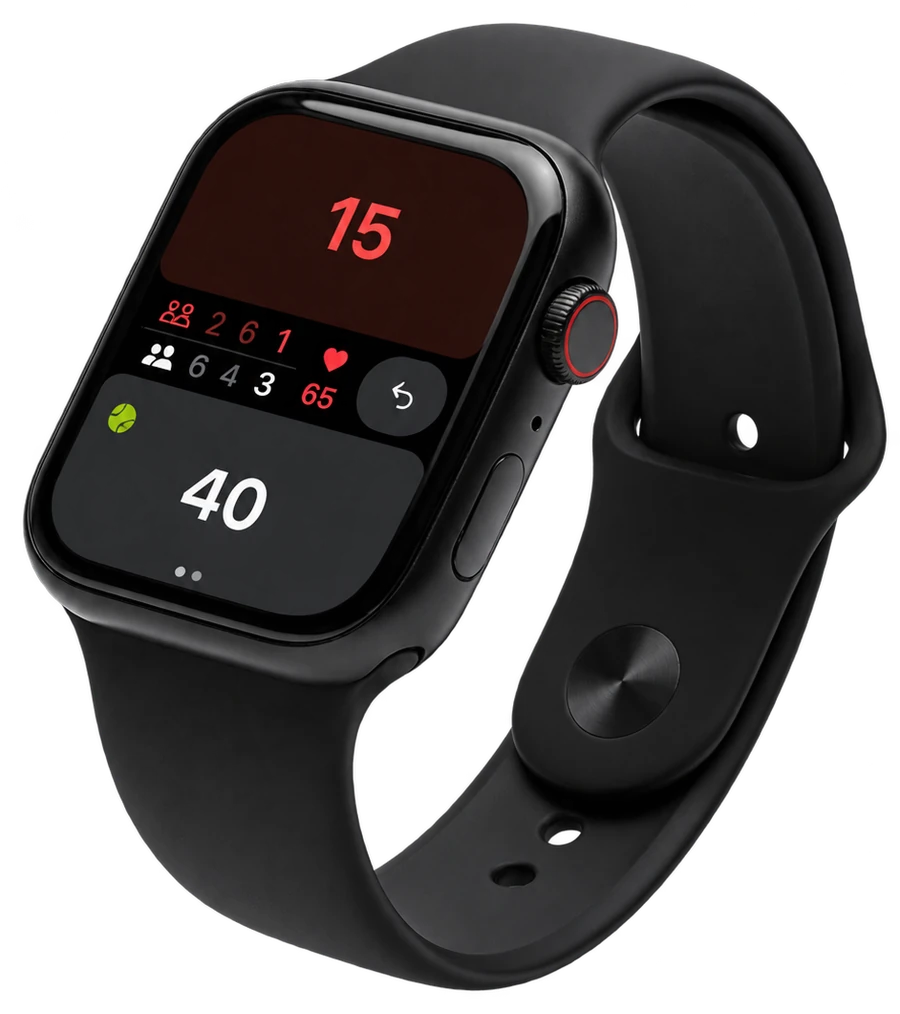
Score on your Watch.
Review on your iPhone.

Download Padel Pointer for iPhone and Apple Watch.

Padel Pointer showing a live padel score on Apple Watch

Count ball contacts rather than sounds

In a fictional rally, Alex hears two sharp sounds near the middle of the court. One possibility is two ball contacts; another is one ball contact followed by a collision between rackets. A sound count alone cannot establish which sequence happened.

Ask each observer to name the object touching the ball at each event. “Beth racket, then Chris racket” is a different account from “Beth racket touches ball, Chris racket touches Beth racket”. Keep an uncertain observation marked uncertain instead of filling the gap with a louder opinion.

Example: both partners reach the same ball

Beth and Chris both swing. If both actually hit the ball, simultaneously or consecutively, Rule 13.1(o) applies. The note accompanying that provision distinguishes one partner hitting the ball while the other hits the teammate’s racket.

Draw the two sequences side by side and underline ball contact in each. This does not turn a racket clash into a recommended technique; it simply identifies why visually similar incidents can require different rules analysis.

Example: a second attempt after a poor first contact

Dev makes a weak contact and then takes another swing before the ball crosses the net. The question is whether Dev hit the ball again. A second actual hit is not cured by describing both swings as one attempted shot.

Read the double-hit provision with Rule 14.1(h), which describes a correct-return condition involving the movement and natural exit of the ball. This guide does not declare every accidental extra contact legal or offer a blanket “one swing means anything counts” exception.

Keep body contact and ground bounce separate

A ball clipping a sleeve after a racket contact is a different contact type; use the body/clothing provisions and the linked body-contact guide. A ball bouncing on the floor is also not an extra racket hit. Sketch the complete sequence before selecting a rule.

For a disagreement, give the official the observations you can actually support. An obstructed view does not become conclusive because an example on a website resembles the incident. Use the full rulebook for the decision.

End with an agreed score and one next action

After the call, confirm the score before resuming. If both players approached the same ball, agree a simple ownership call for the next rally without claiming it will eliminate collisions or improve a measured win rate.

Padel Pointer records agreed points on Apple Watch and keeps iPhone match history. It does not count ball contacts from video or automatically adjudicate a double hit. The original sequences here are explanatory examples, not app-detected events.

Frequently asked questions

Do two sounds prove two ball contacts?

No. Establish what made each sound; a racket clash can occur after a single ball contact.

Can both partners play the same ball?

The FIP point-loss rule covers both partners hitting it simultaneously or consecutively.

Is an accidental second hit always allowed?

Do not assume that. Apply the specific double-hit and correct-return provisions to the observed sequence.

Sources and evidence

Read next

Record the agreed score

Use Padel Pointer for Apple Watch scoring and iPhone match history.

Padel Pointer scorekeeping on a black Apple Watch