
guide / scoring

Can You Volley a Padel Serve? Return Examples

The receiver must let a serve bounce. Compare a serve return, a rally volley and the tempting high second serve with original court-side examples.

Quick answer

No: the receiver must allow the serve to bounce in the correct receiving box before returning it, and return before its second ground bounce. Ordinary rally volleys are different. Do not treat a slow or high second serve as permission to intercept it in the air.

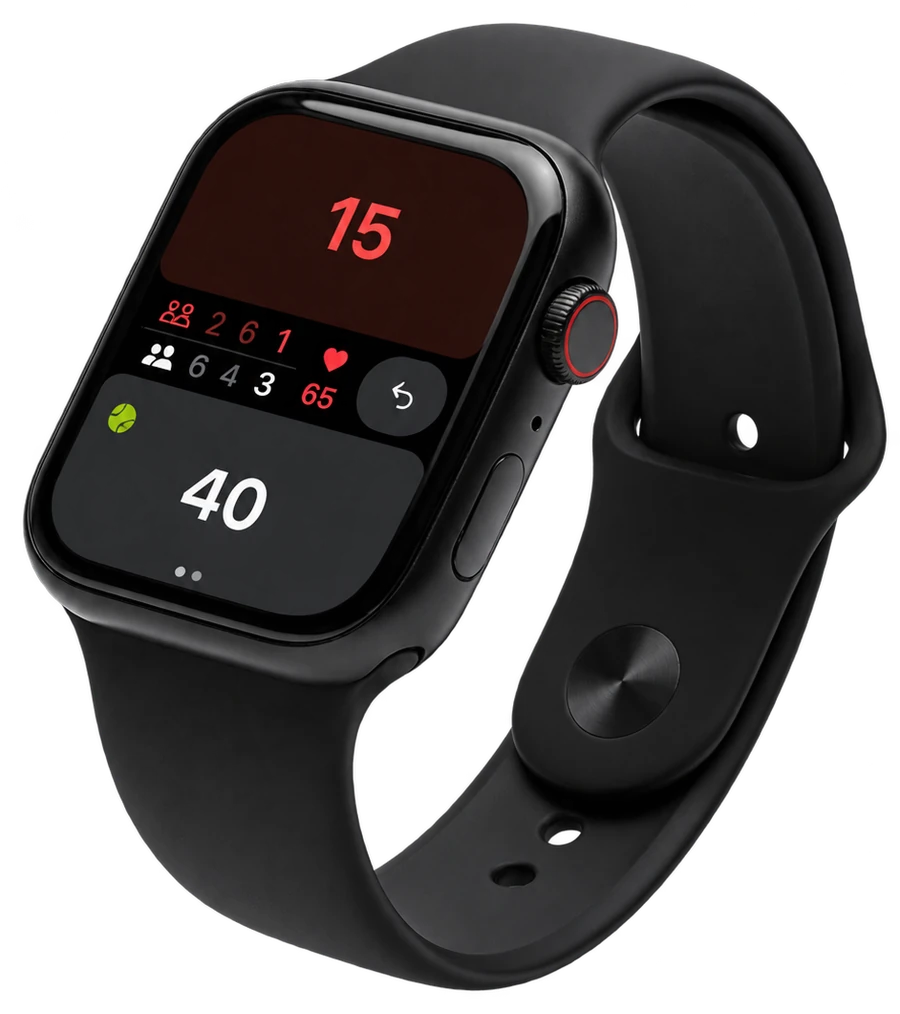
Score on your Watch.
Review on your iPhone.

Download Padel Pointer for iPhone and Apple Watch.

Padel Pointer showing a live padel score on Apple Watch

Name the shot before choosing the rule

A return of serve starts the receiving pair’s participation in a point. A rally volley happens after that special opening phase. The visual movement may be similar, but the applicable bounce requirement changes.

Use a fictional warm-up conversation. Beth serves slowly towards Alex’s box. Alex steps forward and wants to punch the ball before it drops. Saying “we can volley in padel” leaves out the decisive detail: this is still the serve. Alex should wait for the required bounce rather than borrow the rally rule.

A four-shot comparison

Read down the sequence before deciding what to practise. The table deliberately separates the rule question from a tactical choice: a legal option is not automatically the best shot for that ball.

A four-shot comparison
Incoming ballCan you intercept before its first bounce?Practice cue
First serveNoRead the bounce before choosing a return
Second serveNoDo not turn a slow delivery into a rally volley
Ordinary rally ballA volley can be legalCheck position and balance
Serve travelling towards the receiver’s partnerDo not intercept it before the bounceKeep receiver identity and ball contact separate

What to write down after a disputed return

Record whether it was a serve or rally, whether the ball had bounced and which player or racket it touched. Avoid an incomplete note such as “too high”: it could refer to the server’s contact height, the flight path or the receiver’s contact.

FIP Rule 8 supplies the return requirement. Use the separate receiving-order guide if the question is which partner should return; use the ball-hits-player guide for body-contact cases and its qualifications. Padel Pointer can help you keep the agreed score, while players or an official still resolve the rule question.

Frequently asked questions

Can I volley a slow second serve?

No. Its speed does not remove the receiving bounce requirement.

Can I volley later in the rally?

Yes, an ordinary rally volley can be valid. The return-of-serve bounce restriction is a separate rule.

Does this decide who receives each serve?

No. Receiver order is another question; follow the linked receiving-order guide.

Sources and evidence

Read next

Turn the insight into a better next match.

Track every point on Apple Watch, then understand momentum, patterns, and improvement areas on iPhone.

Padel Pointer scorekeeping on a black Apple Watch